Case studies
Published decisions of the Family Court of Western Australia, retold in plain English. The people in them are not named. Every case turns on its own facts.
The family home
Who kept the house, who paid the mortgage, and what happened when one of them could not refinance.
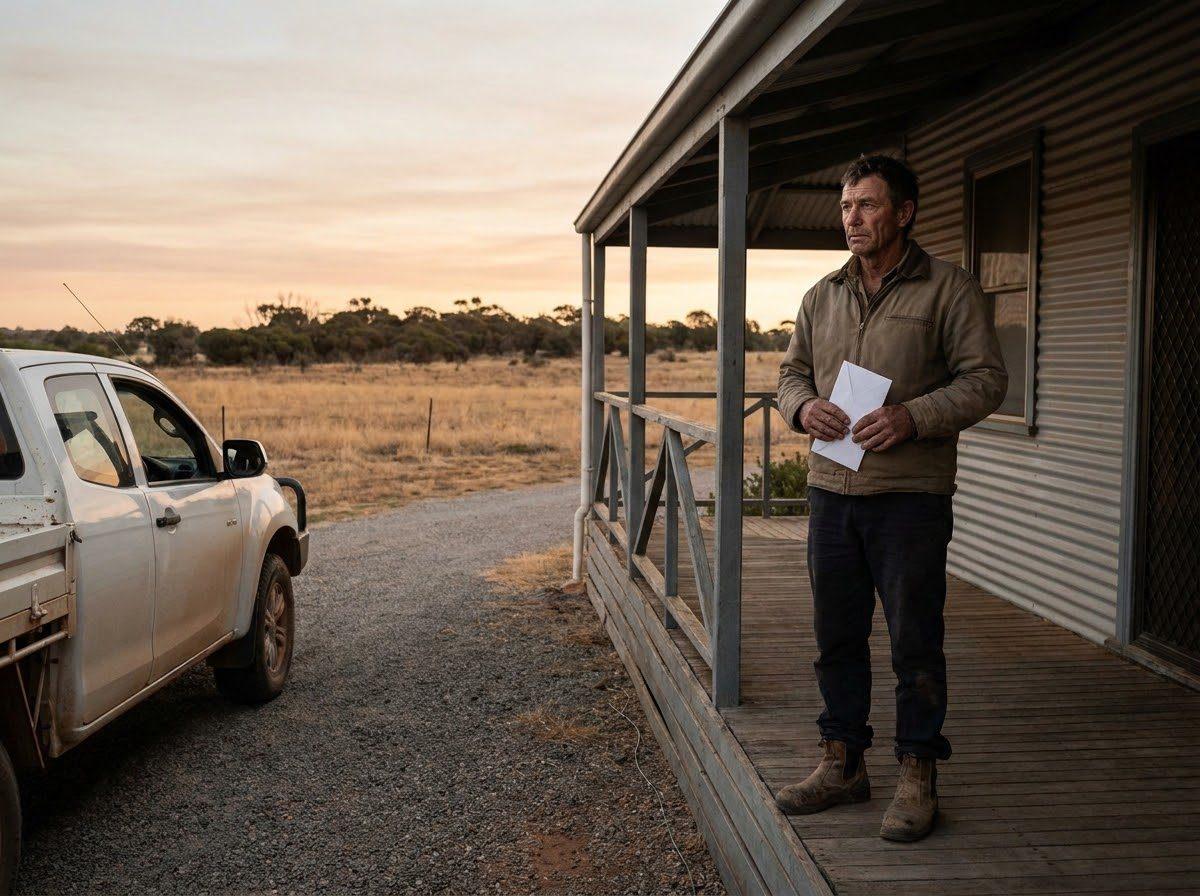
He could keep the country home, if he paid her $234,454 in 60 days
60% to her, 40% to him; he keeps the home if he paysHe wanted to keep the family home in a WA country town and split everything equally. His patchy financial disclosure helped tip the result to 60% for her.
[2017] FCWA 86
Both wanted the family home. Her inheritance had paid down its loans
76% to her, 24% to him; she keeps the houseShe put $510,500 of an inheritance into the loans on the family home. By the time they separated, about $600,000 was owing again, much of it drawn by him for investments. Both wanted to keep the house.
[2019] FCWA 208

He said he had bought half her WA house. There was no half to buy
70.1% to her, 29.9% to himShe owned the land before they lived together, and her mother paid to build the house. He said he had bought the mother's half. The court found she never had one.
[2022] FCWA 103
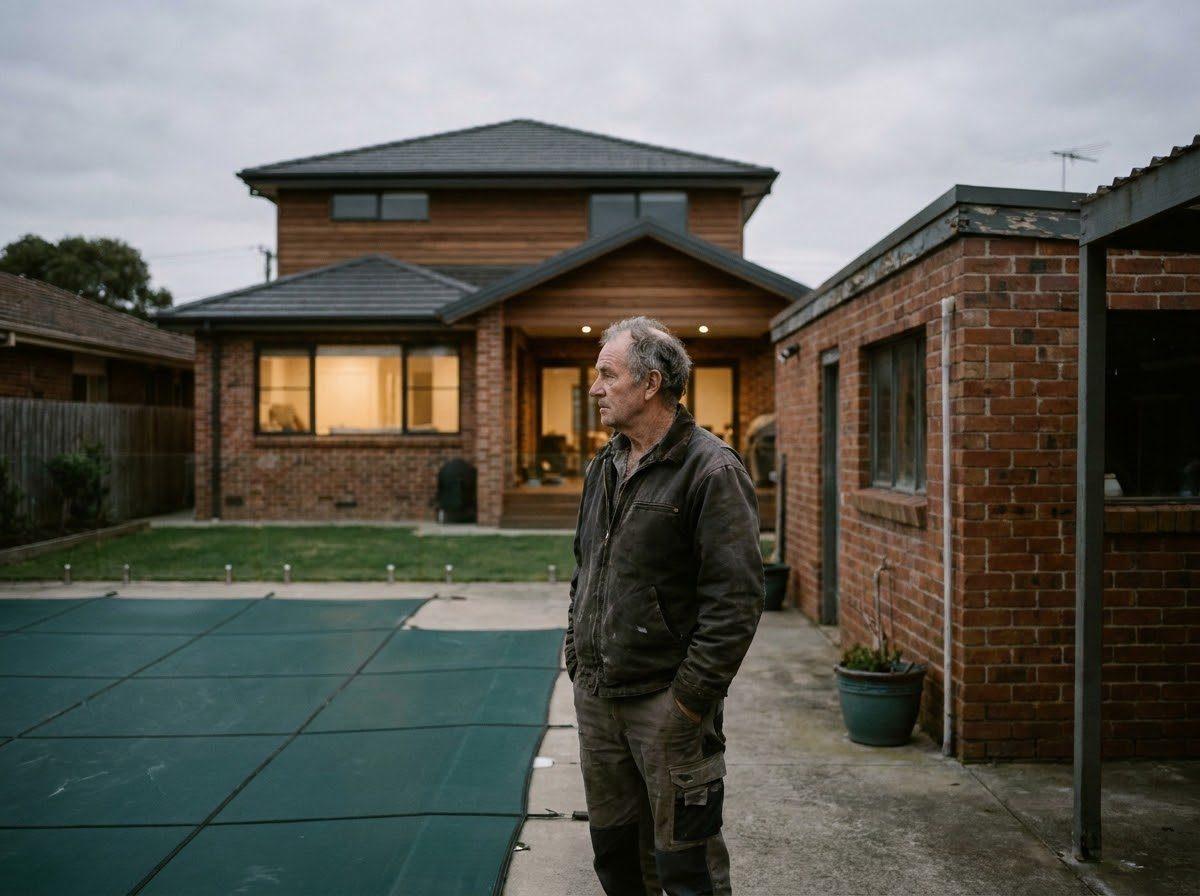
His aunt and uncle gave him the land. She was still awarded 44.5%
55.5% to him, 44.5% to her; he keeps the home and pays her $684,313The family home sat on a block his aunt and uncle had given him. He could keep it, but had two months to pay her $684,313, and could not borrow against it until he did.
[2020] FCWA 31
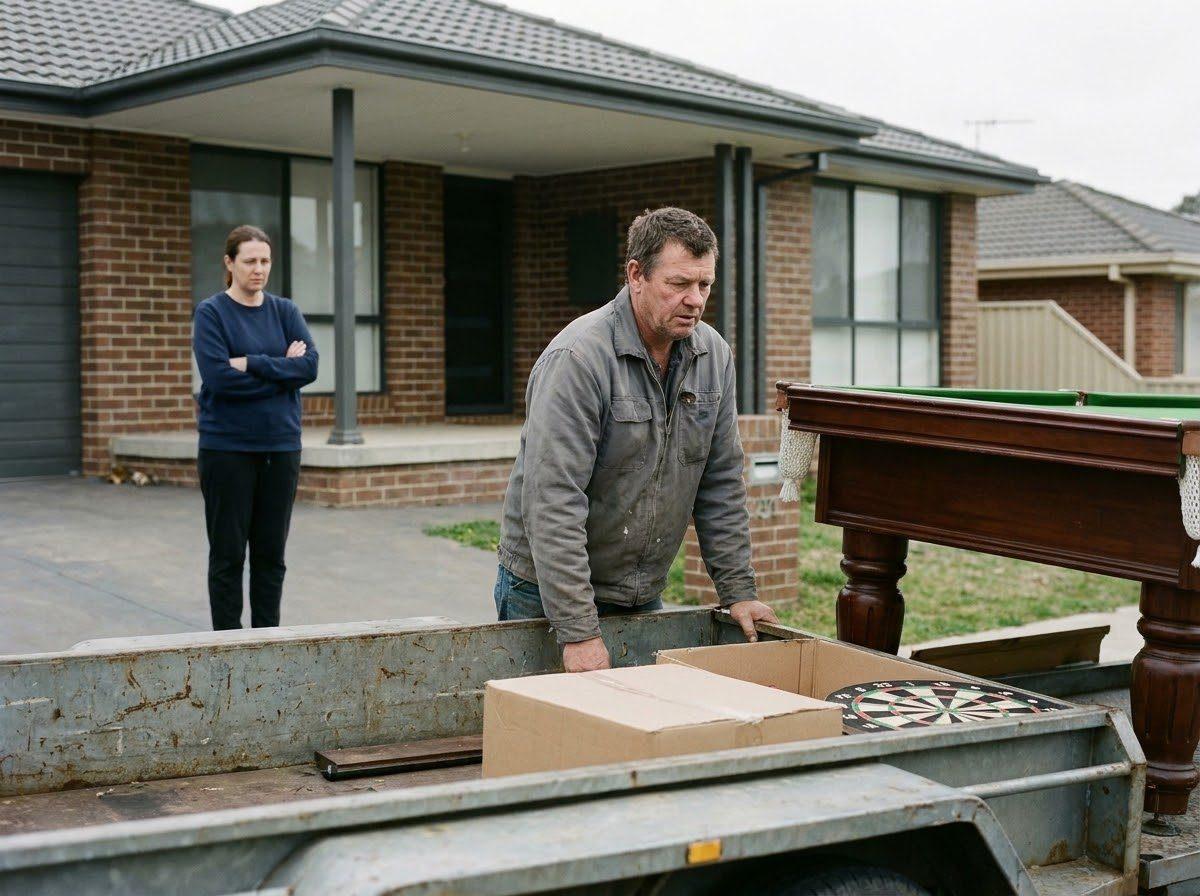
She kept the family home. He kept his super
60% to her, 40% to him; she keeps the home, he keeps his superHe wanted $250,000 in cash for his share. The judge let her keep the home and left him with his super, which he might not be able to reach for many years.
[2017] FCWA 101
Eight years paying the mortgage alone helped her to 75%
75% to her, 25% to him; she keeps the homeTheir contributions were equal when they separated. Then she paid the mortgage alone for eight years and cared for their daughters, while he spent his compensation payout.
[2019] FCWA 214
WA de facto couples
De facto property cases under the Family Court Act 1997 (WA): whether there was a relationship, time limits, and super.
He was her carer, she had an injury payout, he gambled: 57.5/42.5
57.5% to him, 42.5% to herShe lived on a disability pension and received a damages payout. He was her registered carer, built the family home and lost about $116,000 gambling since 2015. She wanted the losses added back.
[2018] FCWA 187
She kept the house and paid him nothing; he kept $521,000 in super
She kept the home; he kept his super and businessHe brought in most of the money and had $520,972 in super. The law then could not split a de facto couple's super in WA, so the court balanced it another way.
[2018] FCWA 239
Married in 1986, together again in 2009: 62.5% to her
62.5% to her, 37.5% to himHe owned the house and the business. She paid the bills and helped in the business for three years. He would concede only $15,000 to $20,000, and asked for $169,400 for his own time on the case.
[2015] FCWA 114
Nearly seven years, two homes, and no de facto relationship
Claim dismissed: not a de facto relationshipThey were a couple, on and off, for nearly seven years, holidayed together and helped care for each other's children. He said that made them de facto partners. The court disagreed.
[2021] FCWA 121
Ten years, two children, less than they started with: 60/40 proposed
Proposed: 60% to her, 40% to himBetween them they started with three properties. Ten years and two children later, there was $237,500 left to divide. She had brought in more, but her super could not be split.
[2019] FCWA 72
Was she out of time? Train trips and bowls days decided it
In time; 67.5% to him, 32.5% to herShe signed her half of the country home over to him for $40,000, then applied for a property settlement almost two years later. He said she was too late. It came down to the month the relationship ended.
[2009] FCWA 110
WA property splits
How Perth couples' property was divided: ordinary pools, long marriages, children, businesses and inheritances.
A family business lost after separation, and a 66/34 split
66% to her, 34% to himFor 24 years they ran a business bought from his parents. After separation he assaulted her, and the court found he helped bring about the business's closure. She received 66% overall.
[2019] FCWA 271
His head start and business, her years at home: 55/45 to her
55% to her, 45% to himHe brought in a house and ran the family business; she raised their three children. Contributions favoured him 55/45, but her limited earning capacity turned the result to 55/45 for her.
[2020] FCWA 54

A $158,000 pool, his illness and her sole care: 54/46
54% to her, 46% to himTheir main asset was a mortgaged unit with about $54,000 of equity. The wife kept it and its debt, and the court found that a 54/46 split was fair.
[2017] FCWA 122

Three mortgaged properties, a FIFO job and a 55/45 split
55% to her, 45% to himThey owned three properties, but after the debts the assets were worth only $144,100. Contributions were equal, and his higher earning power tipped the split 55/45 to her.
[2019] FCWA 163
One car crash, two damages payouts and a 55/45 split
55% to him, 45% to herBoth were badly hurt in the same car accident, and his damages were far larger. The court weighed both payouts, counted her share of her late father's trust, and took account of money she moved out of another trust.
[2025] FCWA 226
A 28-year marriage, a home refinanced again and again, and 60/40
60% to her, 40% to himBoth worked hard for decades and borrowed against the home again and again. A late inheritance and her care of their adult son with a disability tipped a long marriage to 60/40.
[2019] FCWA 240