She kept the house and paid him nothing; he kept $521,000 in super
- Together
- About 10 years, de facto
- Children
- Three
- Net pool
- Over $1.3m incl. super
- Result
- She kept the home
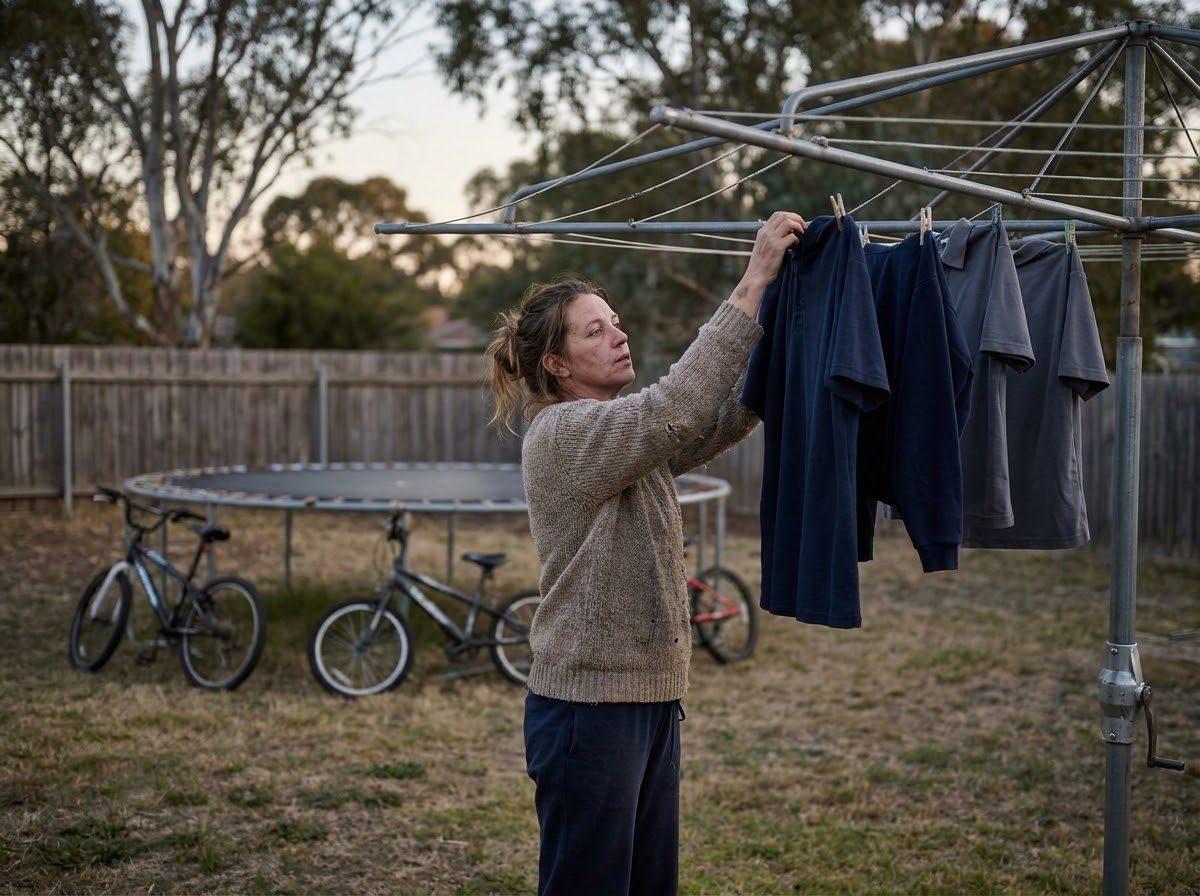
They met in 2003 and moved in together before their first child was born in 2005. They had three children. In 2012 they held a ceremony overseas, but never married in a way recognised in Australia, so the Family Court Act 1997 (WA) applied. They separated in June 2015, and she stayed in the home with the children.
He brought in much more: about 80% of the capital they started with. He had about $330,000 from a house sale, savings, shares, a car and about $231,000 in super. Her equity in an interstate property was about $100,000. He later put an inheritance and a small damages payment into the family. She was the homemaker and parent throughout, while he worked very long hours.
By the trial they owned a home worth $680,000 with a $115,356 loan, and had about $76,500 in joint accounts. They also owed $70,326 to a relative whose inheritance they had held. His half share in a shop business was valued at $222,831. His super came to $520,972 and hers to $51,520.
Both agreed she should keep the home. He wanted her to pay him $290,000 as well; she wanted him to clear the mortgage from his super. The law then did not allow super to be split between WA de facto partners, and the court could not order him to draw on it. Justice O'Brien assessed contributions at 65% to him and 35% to her, mainly because of his larger starting capital and inheritance. But the future factors favoured her. His earning capacity was much greater, she had the primary care of the children, and the judge took into account that he would keep all of his super.
So she kept the home and its loan, and what was left in the joint accounts once the relative had been repaid $70,326 from their savings. No payment was ordered either way. He kept his business share, his own accounts and all of his super; she kept her own super. Her claim for ongoing maintenance was dismissed.
What it means for you
Super is part of what the court weighs even when it cannot be moved. In this case one partner kept a large super balance and the other got more of everything else.
Since 28 September 2022 a court can split superannuation between Western Australian de facto partners, under Part VIIIC of the Family Law Act 1975 (Cth). This case was decided before then, when each partner's super could only be weighed as a resource they kept. Western Australia has not adopted the 10 June 2025 federal property changes for de facto couples, so WA de facto property is still decided under the same provisions of the Family Court Act 1997 (WA).
The decision: [2018] FCWA 239
A published decision of the Family Court of Western Australia, retold in plain English. MKI Legal did not act in this case. Every outcome depends on its own facts. This is general information, not legal advice.
Talk to a family lawyer about your property split
Call us on (08) 9470 2777, or read how consent orders make an agreed property split binding.
More wa de facto couples case studies

He was her carer, she had an injury payout, he gambled: 57.5/42.5
57.5% to him, 42.5% to herShe lived on a disability pension and received a damages payout. He was her registered carer, built the family home and lost about $116,000 gambling since 2015. She wanted the losses added back.
[2018] FCWA 187

Married in 1986, together again in 2009: 62.5% to her
62.5% to her, 37.5% to himHe owned the house and the business. She paid the bills and helped in the business for three years. He would concede only $15,000 to $20,000, and asked for $169,400 for his own time on the case.
[2015] FCWA 114

Nearly seven years, two homes, and no de facto relationship
Claim dismissed: not a de facto relationshipThey were a couple, on and off, for nearly seven years, holidayed together and helped care for each other's children. He said that made them de facto partners. The court disagreed.
[2021] FCWA 121