One car crash, two damages payouts and a 55/45 split
- Together
- About 21 years, married
- Children
- Two, both adults
- Net pool
- About $4 million
- Split
- 55% him / 45% her
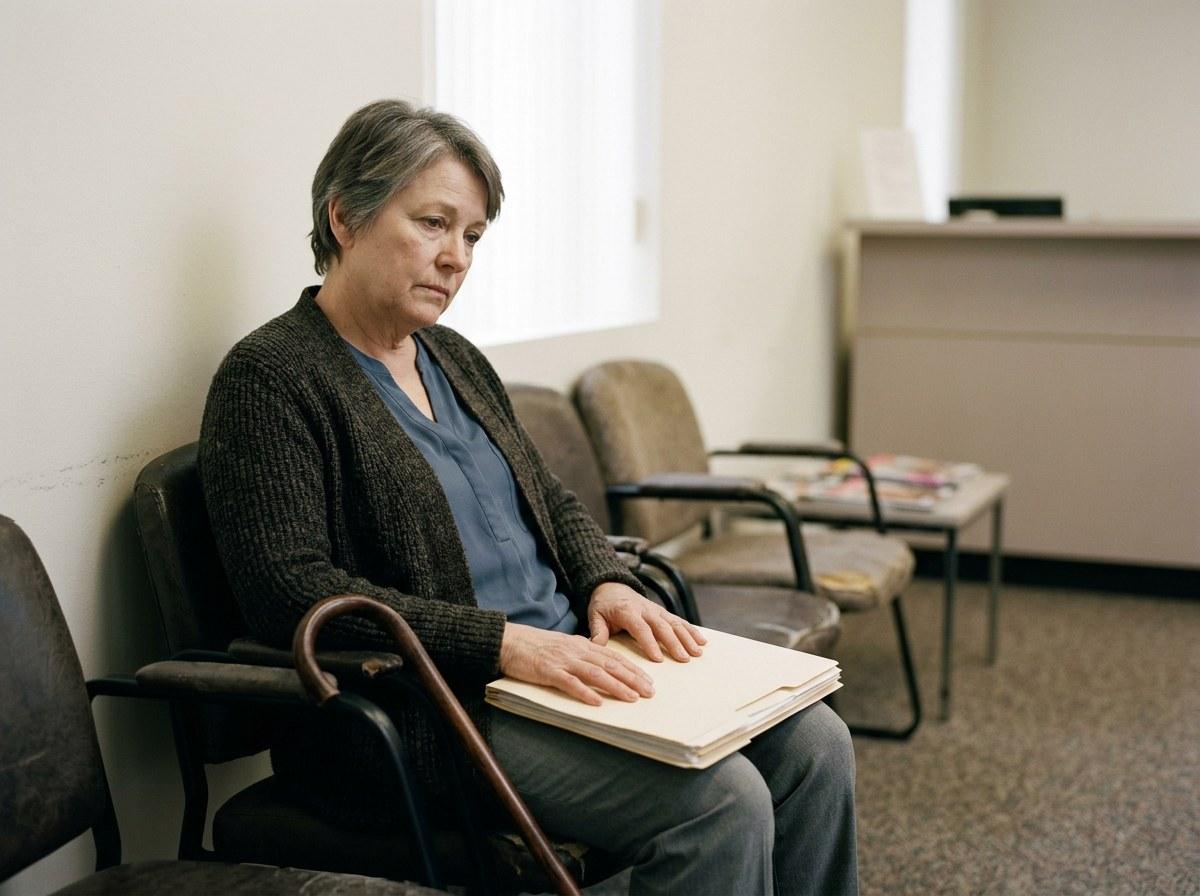
The couple lived together for about 21 years and were married for nearly all of them. Both were professionals on similar incomes, and both cut back their work when their two children, now adults, were born. Late in the marriage, both were seriously injured in the same car accident. Neither can work now. His injuries changed his behaviour, and before they separated the wife took on most of his care, the children and the family's affairs.
Each later received damages, and after tax and legal costs his award was nearly three times hers. He put most of his into a pension fund that still held about $760,000 at trial. After separation she gained a one-third interest, worth about $275,000, in a trust holding her late father's estate. She also controlled a second, discretionary trust. Once the husband's lawyers began asking about it, she paid more than $230,000 out of it to one of their adult children within days.
The pool was about $4 million, including the mortgaged home the husband lived in, valued at $2.2 million. Justice O'Brien applied the law as amended from 10 June 2025 and the Full Court's recent decision in Shinohara. He rejected both sides' lists of add-backs: there is no such thing as notional property. The wife had not proved family violence before the accident, but afterwards her contributions were greater and harder to make. Against that, the husband had preserved much of his larger award. Contributions were 55% to him and 45% to her.
Looking ahead, the wife sought 5% more, pointing to the income gap, his home and her support of their children. The judge declined. She had an ongoing right to live in her father's trust property, she had paid trust money away to one of the children, and she gave no detailed evidence of how much of her award was spent. No adjustment was made either way. The husband kept the home and was ordered to pay her about $267,000, and she received all of his interest in their joint pension fund, bringing her share to about $1.79 million.
What it means for you
Damages for an injury are counted mainly as the contribution of the person who received them, but they stay in the pool. Under the amended law, money spent or moved away is weighed among the s 79(5) factors rather than added back, and moving money out of a trust you control during a case can count against you.
Decided under the Family Law Act 1975 (Cth) as amended from 10 June 2025. The proceedings began years earlier, but the final hearing began in July 2025, after the amendments commenced, so they applied (Family Law Amendment Act 2024 (Cth) Sch 1 item 68). Applies Shinohara & Shinohara [2025] FedCFamC1A 126 on add-backs. No appeal was found when checked on 27 October 2026.
The decision: [2025] FCWA 226
A published decision of the Family Court of Western Australia, retold in plain English. MKI Legal did not act in this case. Every outcome depends on its own facts. This is general information, not legal advice.
Talk to a family lawyer about your property split
Call us on (08) 9470 2777, or read how consent orders make an agreed property split binding.
More wa property splits case studies
A family business lost after separation, and a 66/34 split
66% to her, 34% to himFor 24 years they ran a business bought from his parents. After separation he assaulted her, and the court found he helped bring about the business's closure. She received 66% overall.
[2019] FCWA 271

His head start and business, her years at home: 55/45 to her
55% to her, 45% to himHe brought in a house and ran the family business; she raised their three children. Contributions favoured him 55/45, but her limited earning capacity turned the result to 55/45 for her.
[2020] FCWA 54

A $158,000 pool, his illness and her sole care: 54/46
54% to her, 46% to himTheir main asset was a mortgaged unit with about $54,000 of equity. The wife kept it and its debt, and the court found that a 54/46 split was fair.
[2017] FCWA 122