He said he had bought half her WA house. There was no half to buy
- Together
- Over 17 years, married
- Children
- Two daughters
- Net pool
- About $1.89 million
- Split
- 70.1% her / 29.9% him

Mr Lucci and Ms Freda met overseas in 1989, began living together there in 1990 and married there in 1995. They had two daughters and moved to Australia in 1996. In December 1989, before they lived together, she had bought a block of land in Western Australia for $113,000 in her own name. Her mother provided $150,000 to build a house on it, and from 1998 it was the family home.
In 2007 she and the girls moved back overseas, and the house was let. The couple separated there in January 2008, and he returned to Australia. From early 2008 she received the rent and kept it. He said that years earlier he had bought her mother's half of the house, paying with money he had saved overseas, and he asked the court to declare that he owned half.
Justice Duncanson rejected that claim. His accounts of the payments kept changing and were mostly unsupported by documents. The house had always been the wife's, so her mother had no half to sell. The wife said her mother's $150,000 was a loan she still owed. The judge found it was not, and treated it as a contribution made on the wife's behalf. But the husband had lived in the house, improved it and maintained it, and that counted.
The legal fees each had paid, $208,263 for him and $146,277 for her, were added back. The property came to $1,885,656, which the judge divided into two pools. In the first pool, everything except their property overseas, worth $1,380,827 and holding the house at an agreed $925,000, her land, her savings and her mother's money made her contributions greater: 60% to her, 40% to him. Each kept their own property overseas. Nothing more was adjusted for future needs.
Overall the division was 70.1% to her and 29.9% to him. Under the orders the judge proposed, she was to pay him $261,069 within 60 days. If she did not, the house would be sold and the proceeds, after any capital gains tax, divided to give the same result.
What it means for you
A house one person owned, or that their family paid for, is still part of the pool, but it can tip the contributions their way. A claim to own half of it needs documents, not memory, and a large payment from a parent is not automatically a debt that shrinks the pool.
Decided before 10 June 2025, when the Family Law Amendment Act 2024 (Cth) wrote the steps of a property case into s 79 of the Family Law Act 1975 (Cth). For a married couple in Western Australia those steps now apply, and they largely restate the approach taken here.
The decision: [2022] FCWA 103
A published decision of the Family Court of Western Australia, retold in plain English. MKI Legal did not act in this case. Every outcome depends on its own facts. This is general information, not legal advice.
Talk to a family lawyer about your property split
Call us on (08) 9470 2777, or read how consent orders make an agreed property split binding.
More the family home case studies
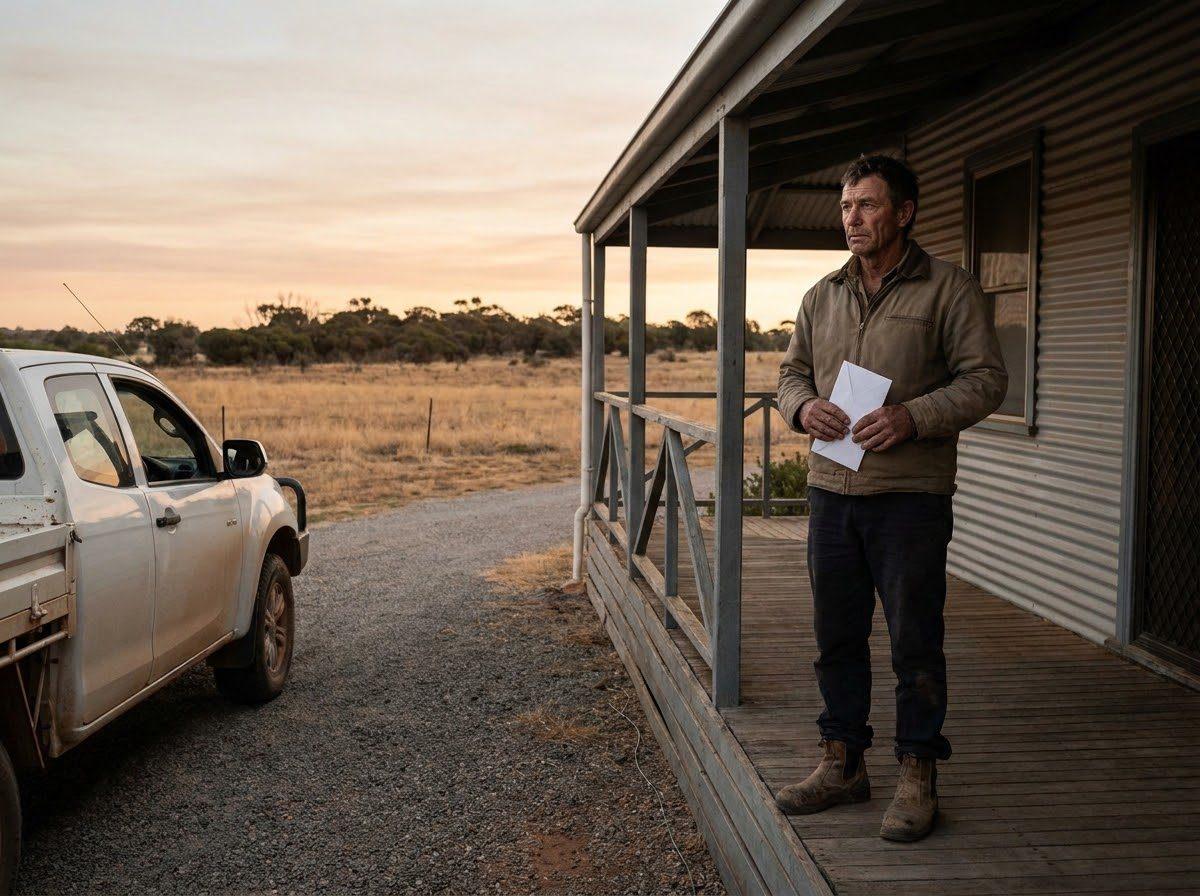
He could keep the country home, if he paid her $234,454 in 60 days
60% to her, 40% to him; he keeps the home if he paysHe wanted to keep the family home in a WA country town and split everything equally. His patchy financial disclosure helped tip the result to 60% for her.
[2017] FCWA 86
Both wanted the family home. Her inheritance had paid down its loans
76% to her, 24% to him; she keeps the houseShe put $510,500 of an inheritance into the loans on the family home. By the time they separated, about $600,000 was owing again, much of it drawn by him for investments. Both wanted to keep the house.
[2019] FCWA 208
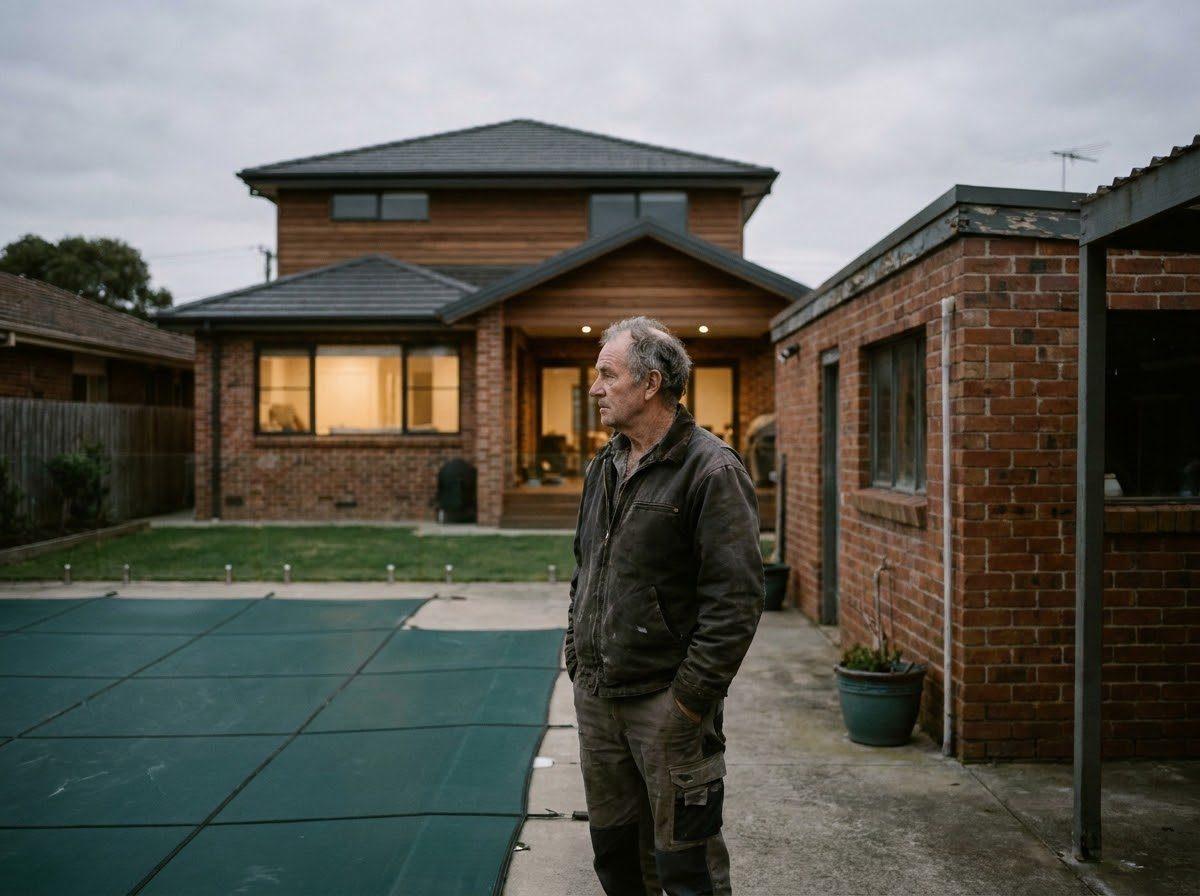
His aunt and uncle gave him the land. She was still awarded 44.5%
55.5% to him, 44.5% to her; he keeps the home and pays her $684,313The family home sat on a block his aunt and uncle had given him. He could keep it, but had two months to pay her $684,313, and could not borrow against it until he did.
[2020] FCWA 31