Was she out of time? Train trips and bowls days decided it
- Together
- 15 years living together
- Children
- One, an adult by trial
- Net pool
- About $355,000
- Split
- 67.5% him / 32.5% her
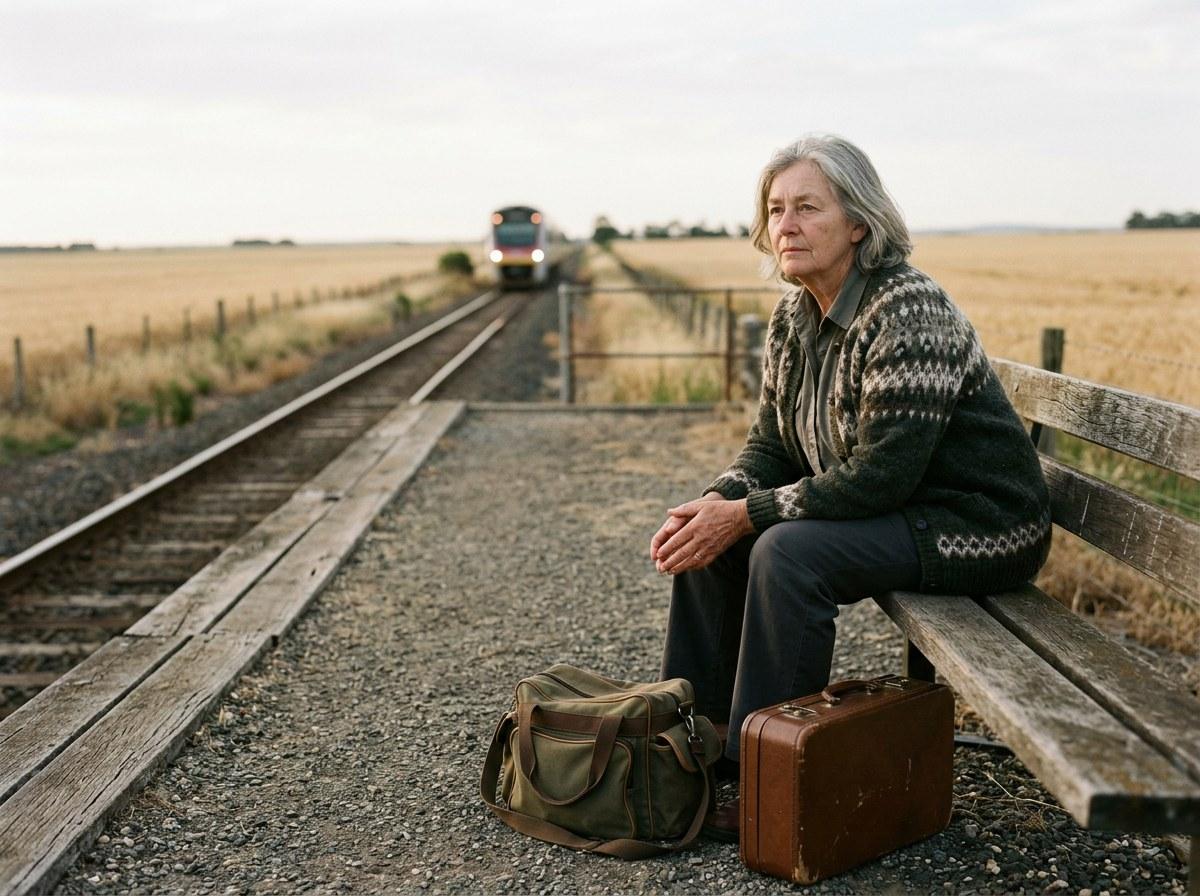
The couple began their relationship in 1985 and had a child the next year. In June 1990 she moved into his home, and they lived together for about 15 years. Both lived on pensions. He brought in a home he owned outright, a car and somewhere between $75,000 and $85,000 left from a compensation payment. Later they won $60,000 on a numbers game, with a ticket bought with joint money, and used the winnings to buy a country block, where they put a transportable home.
By 2005 the relationship was failing. In September 2005 she signed a contract transferring her share of the country property to him for $40,000. In August 2007 she applied for a property settlement. He said the relationship had ended in May or June 2005, which made her more than two years late. Under the Family Court Act 1997 (WA) she would then need the court's leave to proceed.
Chief Judge Thackray looked closely at the evidence. Her pension kept going into a joint account he controlled until October 2005. Train records showed her travelling to and from the country, and the bowls club recorded her playing three weeks running in August 2005. He found she lived in the home until early September 2005. Until she left, the relationship had not ended: they still shared a home, a bed and a bank account, however unhappy they were. So she was in time. The judge added that even if she had been late, he would have been inclined to grant leave because of hardship.
The $40,000 contract was not a final property settlement, as his own lawyer conceded. The pool was $355,401, mostly the country property. His larger starting assets counted heavily: contributions were 72.5% to him and 27.5% to her. That split left a wide gap between two pensioners who would both need somewhere to live, so she received a further 5%. The property was to be sold and she was to receive 32.5% of the net assets.
What it means for you
The two-year limit runs from the day a de facto relationship ends, and that date can be fought over. A private deal to buy out a partner's share did not end the claim here.
Decided in 2009. The two-year limit, and leave to apply late on the ground of hardship, are still in s 205ZB of the Family Court Act 1997 (WA). Since 28 September 2022 the Act has also allowed a late application if both partners consent. Western Australia has not adopted the 10 June 2025 federal property changes for de facto couples, so WA de facto property is still decided under the same provisions of the Family Court Act 1997 (WA).
The decision: [2009] FCWA 110
A published decision of the Family Court of Western Australia, retold in plain English. MKI Legal did not act in this case. Every outcome depends on its own facts. This is general information, not legal advice.
Talk to a family lawyer about your property split
Call us on (08) 9470 2777, or read how consent orders make an agreed property split binding.
More wa de facto couples case studies
He was her carer, she had an injury payout, he gambled: 57.5/42.5
57.5% to him, 42.5% to herShe lived on a disability pension and received a damages payout. He was her registered carer, built the family home and lost about $116,000 gambling since 2015. She wanted the losses added back.
[2018] FCWA 187
She kept the house and paid him nothing; he kept $521,000 in super
She kept the home; he kept his super and businessHe brought in most of the money and had $520,972 in super. The law then could not split a de facto couple's super in WA, so the court balanced it another way.
[2018] FCWA 239
Married in 1986, together again in 2009: 62.5% to her
62.5% to her, 37.5% to himHe owned the house and the business. She paid the bills and helped in the business for three years. He would concede only $15,000 to $20,000, and asked for $169,400 for his own time on the case.
[2015] FCWA 114